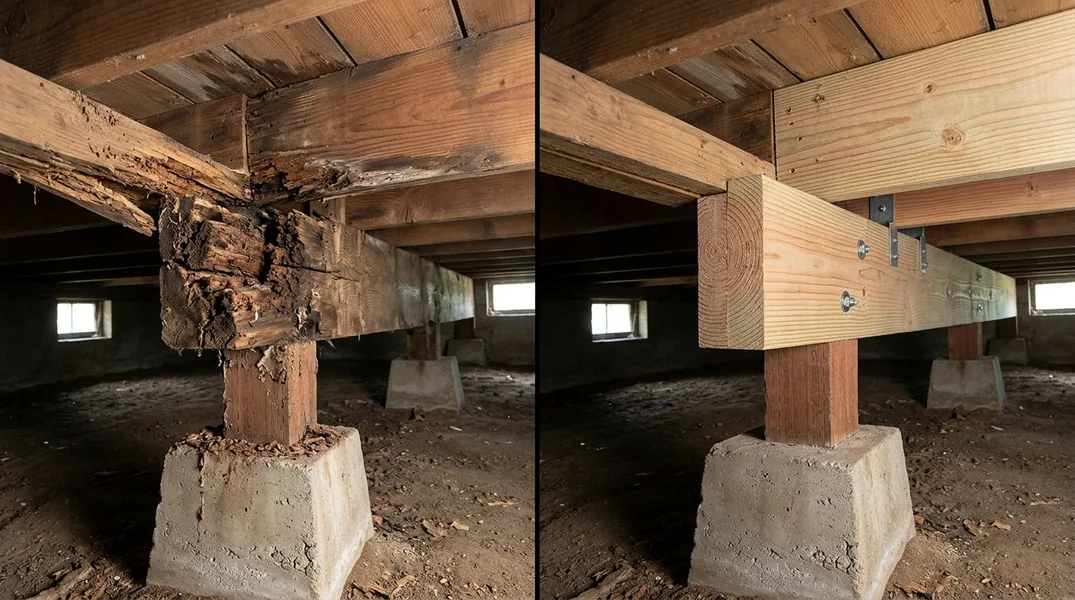
The Charm and Challenge of Historic Homes in Santa Rosa
There's something undeniably special about owning a Victorian or Craftsman bungalow in Santa Rosa. These homes, whether they line the tree-shaded streets of McDonald Avenue or the quieter neighborhoods near St. Rose, carry decades of character, original architectural details, and a sense of permanence that modern construction rarely achieves. The steep rooflines, ornate trim work, wide front porches, and hand-crafted woodwork represent an era when buildings were designed to last generations.
However, this same age and craftsmanship comes with real maintenance responsibilities. Unlike newer homes built with pressure-treated lumber and modern sealants, Victorian and Craftsman homes were constructed with materials that require ongoing attention. The wood that gives these homes their beauty is also vulnerable to the elements, particularly in Santa Rosa's variable climate with its wet winters and warm, dry summers. Understanding how to care for your historic home isn't just about preserving its value; it's about respecting the craftsmanship of the original builders and ensuring your home remains safe and comfortable for years to come.
Understanding Wood Rot in Older Homes: Dry Rot vs. Wet Rot
If you own a Victorian or bungalow in Santa Rosa, you've likely heard the term 'dry rot' mentioned with concern. Contrary to what the name suggests, dry rot is actually a type of fungal decay that thrives in damp conditions. It occurs when wood moisture levels exceed 20 percent for extended periods, creating the perfect environment for wood-destroying fungi to colonize and break down the cellular structure of the wood. The damage can be catastrophic because dry rot spreads rapidly through wood, sometimes affecting areas far from the original moisture source.
Wet rot, by contrast, is slower-moving but equally damaging. It typically appears in areas with direct water exposure, such as around window frames, door sills, or where gutters have failed. Both types of decay weaken the structural integrity of your home, and both are common issues in historic properties where original wood siding, trim, and framing have been exposed to decades of weather. The good news is that Wood Rot & Dry Rot Repair is one of the most important investments you can make in your home's longevity. Early detection and professional intervention can prevent minor damage from becoming a major structural problem.
Wood Siding Repair: Protecting Your Home's First Line of Defense
The wood siding on a Victorian or Craftsman bungalow serves a critical function beyond aesthetics. It protects the structural framing, insulation, and interior spaces from rain, wind, and UV damage. On older homes, this siding is often original or has been in place for 50+ years, and its condition directly impacts the health of your entire home. Common issues include paint failure, wood checking and splitting, loose or missing boards, and of course, rot at the base of siding where water tends to accumulate.
Many homeowners in Santa Rosa attempt DIY siding repairs with mixed results. While minor touch-ups are manageable, addressing the root causes of siding failure requires understanding water management, proper flashing installation, and appropriate wood selection for replacement sections. Historic homes often benefit from siding repairs that match the original profile and materials, preserving the home's character while ensuring modern protection. If you notice soft spots in your siding, areas where paint is peeling consistently, or visible gaps where siding has warped, it's time to have a professional assess the situation. Delaying these repairs allows moisture to penetrate deeper into the wall cavity, potentially leading to more expensive Floor Joist & Subfloor Repair or framing issues down the line.
The Hidden Dangers: Termites and Structural Wood Damage
While fungal rot is a significant concern for historic homes, termites represent another serious threat that homeowners cannot ignore. Termite Damage Repair is frequently necessary in older properties because the wood framing, siding, and structural elements provide an ideal food source for these destructive insects. Unlike rot, which develops slowly over years, termite colonies can cause substantial damage in months if left unchecked. The challenge is that termite damage often occurs inside walls and foundation areas where homeowners cannot see it until the damage is severe.
Regular inspections are your best defense against termite damage. Look for mud tubes along foundation walls, wood that sounds hollow when tapped, or small exit holes in wood surfaces. If you suspect termite activity, professional inspection and treatment should be your immediate priority. Many termite infestations in historic homes go hand-in-hand with moisture problems, so addressing water management around your foundation and ensuring proper drainage is essential for prevention. When termite damage does occur and structural elements are compromised, you may need Beam Replacement & Load-Bearing Wall Removal services to restore your home's integrity.
Preventive Maintenance: The Best Investment for Historic Home Owners
The most cost-effective approach to maintaining a Victorian or Craftsman home is prevention. This means establishing a regular maintenance schedule that addresses the most common vulnerabilities before they become expensive problems. Start with your gutters and downspouts. Clogged gutters are the number one cause of water damage in historic homes because they allow water to cascade down siding, pool around foundations, and seep into walls. Clean your gutters at least twice per year, more often if you have large trees overhead. Ensure downspouts extend at least four to six feet away from your foundation and direct water away from the house.
Next, inspect your roof regularly. Missing or damaged shingles allow water to penetrate into the attic and framing, creating conditions for both rot and termites. Walk around your home's exterior quarterly, looking for soft spots in siding, paint failure, gaps where trim has separated, and signs of water staining. Check window and door frames for rot, as these areas are particularly vulnerable. Finally, maintain proper ventilation in your attic and crawl spaces. Poor ventilation traps moisture, which accelerates wood decay. If you're unsure about the condition of your home or need a professional assessment, Santa Rosa Carpentry can provide a thorough evaluation and recommendations tailored to your specific property.
Wood Rot & Dry Rot Repair Cost in Santa Rosa: What to Budget
Homeowners often ask about pricing for wood rot and structural repairs, and the answer depends on several variables. The extent of damage, the location of the affected wood, whether the damage is structural or cosmetic, and the need for specialized work like Beam Replacement & Load-Bearing Wall Removal all factor into the final cost. A small area of surface rot on decorative trim might cost a few hundred dollars to repair, while extensive damage to structural framing, foundation sills, or floor joists could easily exceed several thousand dollars. The key principle is that early intervention saves money. Catching rot when it's limited to the outer inch or two of wood is far less expensive than waiting until it has penetrated deep into structural members.
The best way to understand the investment required for your specific home is to schedule a free estimate with a qualified contractor. During this assessment, a professional can identify all areas of concern, explain the scope of work needed, and provide a realistic budget. Don't be tempted to ignore signs of damage because the repair seems expensive. The cost of addressing rot early is always less than the cost of emergency structural repairs after the damage has spread. For personalized guidance on your home's needs, contact Santa Rosa Carpentry at (707) 543-1462 to discuss your situation with an experienced carpenter who understands the unique requirements of historic homes.
Looking for a professional carpentry contractor in Santa Rosa? Santa Rosa Carpentry responds fast for all your carpentry needs.
Get a Free QuoteOur services: Wood Rot & Dry Rot Repair · Termite Damage Repair · Floor Joist & Subfloor Repair